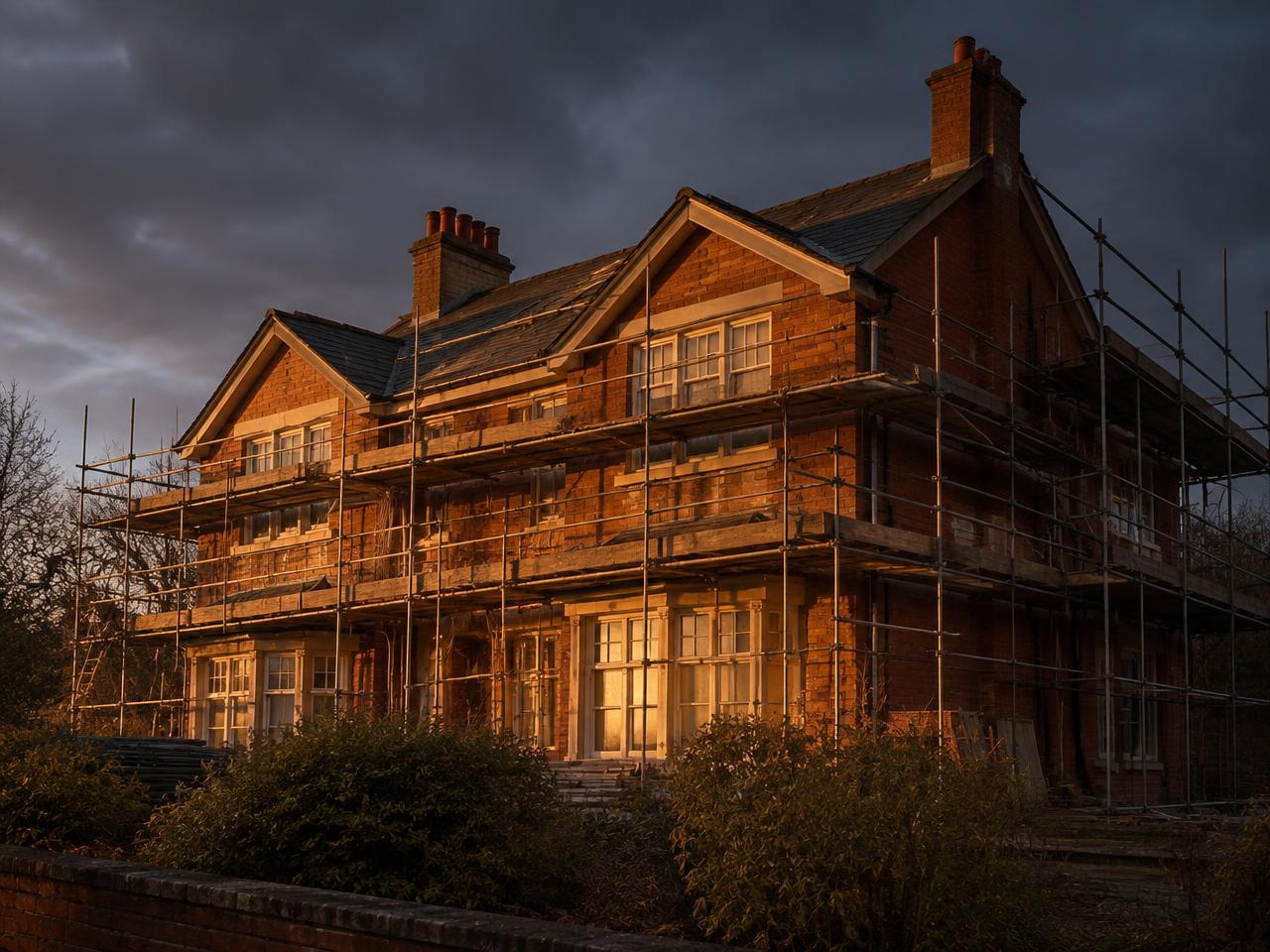
Room sizes, fire strategy, accessibility, staff space. The requirements that decide whether a period house can become compliant supported accommodation.
Care providers are rarely short of demand. They are short of suitable buildings. Understanding their requirements early is the difference between a property that works and one that sits empty.
Fire strategy comes first
Interlinked detection, protected escape routes, fire doors, emergency lighting. Providers and their regulators will ask for the strategy in writing, and the layout of the building follows from it.
Rooms that work
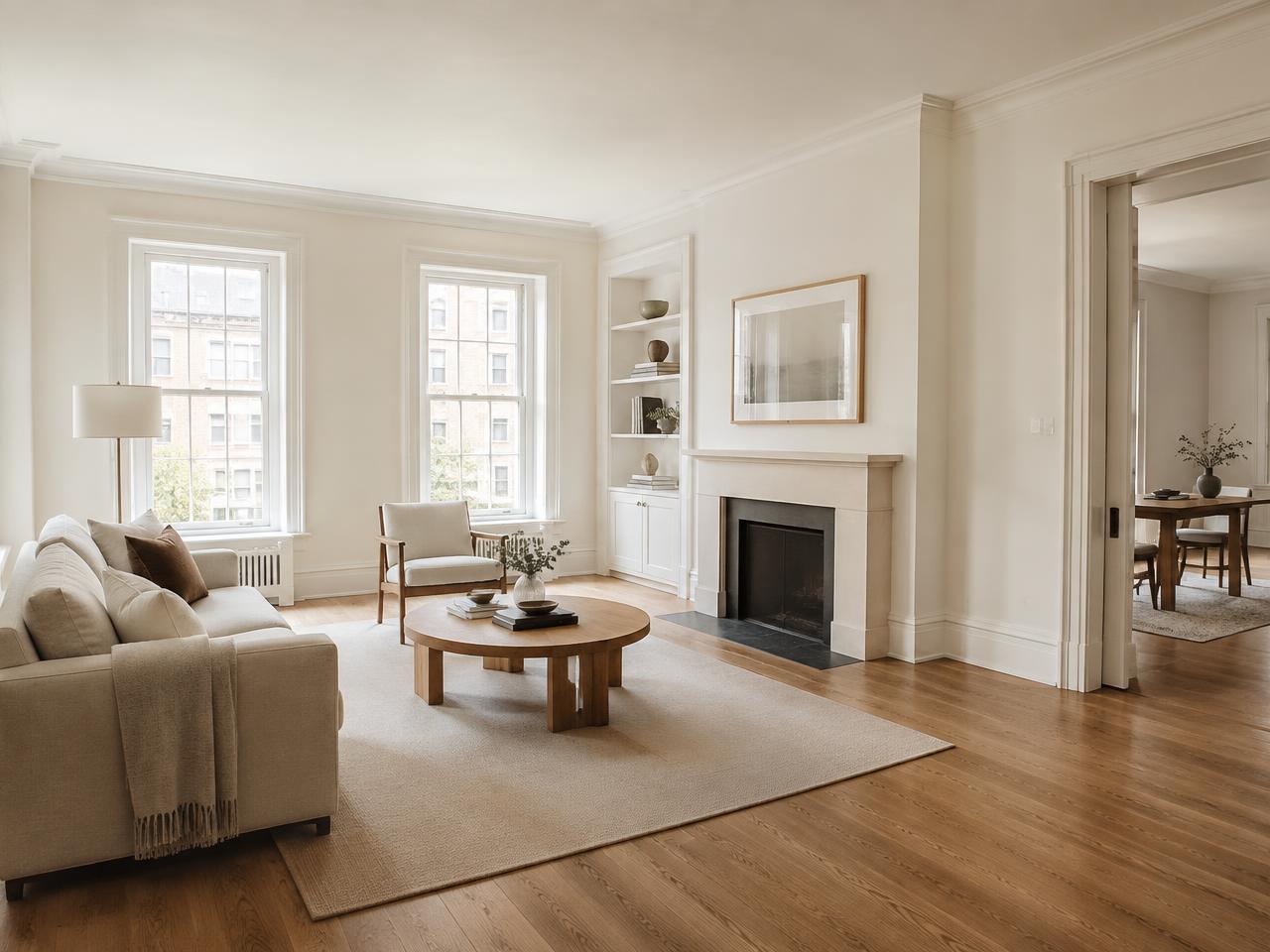
Bedrooms with space for a bed, storage and a chair. Bathrooms that can be adapted. A staff room and a secure office. Communal space that feels like a home rather than an institution.
Accessibility
Level access where possible, wider doors, a downstairs bathroom. Adaptation is far cheaper during a refurbishment than after it.
"Design for the provider's inspection, and the building will pass everyone else's."
How we work with providers
The provider's requirements are written into the scope before acquisition. Occupancy is planned on practical completion, and the letting agreement reflects the provider's model rather than a standard residential tenancy.
- supported-living
- care-providers
- demo